
13 Common Ovarian Cancer Treatment Side Effects and How to Cope with Them
March 16, 2026
Ovarian cancer treatment side effects are one of the most important things patients and caregivers need to understand — not because they should be feared, but because they can be managed.
Let’s face it: when you know what’s coming, you can face it with a lot more clarity and confidence.
Treatment for ovarian cancer typically involves surgery, chemotherapy, targeted therapy, hormone therapy, or some combination of these. Each approach works differently in the body, and each comes with its own set of potential side effects. Not everyone experiences the same ones, and many are temporary. But some can linger and a few may be permanent.
One note before we start: if you’re on a maintenance or targeted therapy, your watch list looks different from chemo. PARP inhibitors like olaparib and niraparib most often cause anemia, low platelets, fatigue, and nausea, and most of it surfaces in the first 12 weeks, which is why your team checks blood counts so frequently early on.
Avutometinib and defactinib, the first FDA-approved treatment for KRAS-mutated recurrent low-grade serous ovarian cancer, put skin rash and eye changes at the top of the list instead, which is why baseline and follow-up eye exams are built into the treatment schedule. Different drugs, different side effects. Same rule: report them early.
How to Cope with Ovarian Cancer Treatment Side Effects
This guide walks through the most common side effects across treatment types, with practical advice on coping with ovarian cancer treatment side effects at every stage of your journey.
1. Fatigue
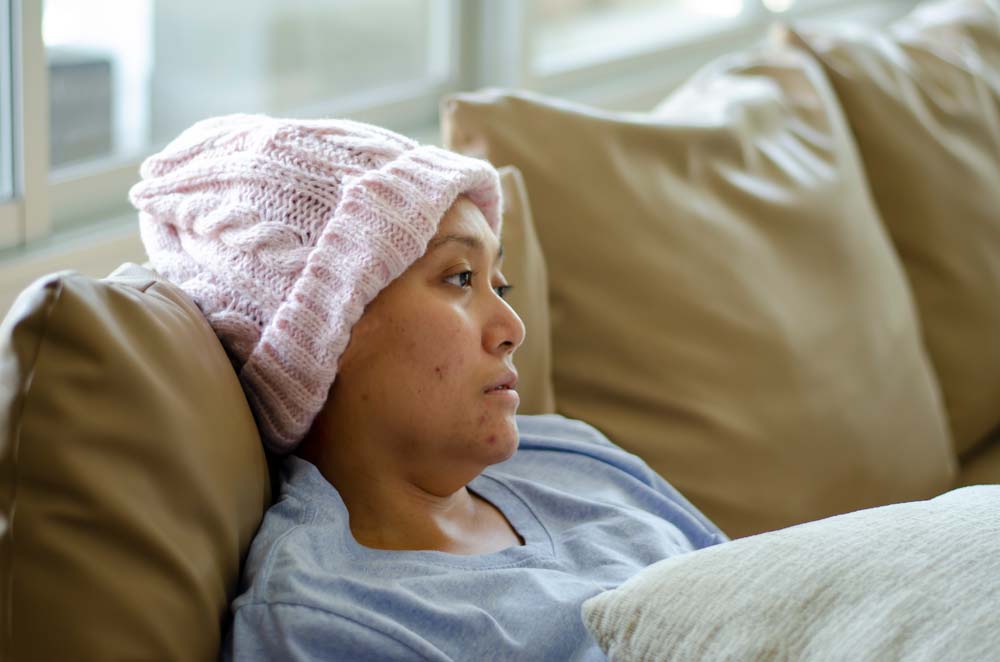 Fatigue is arguably the most reported side effect across all ovarian cancer treatment types. It’s not ordinary tiredness. It’s an exhaustion that doesn’t go away with rest, often caused by chemotherapy lowering your red blood cell count (a condition called anemia).
It can make you feel defeated. But there are real strategies that help:
- Move, even a little. The 2024 ASCO–Society for Integrative Oncology guidelines strongly recommend exercise during treatment, along with cognitive behavioral therapy, mindfulness-based programs, and tai chi or qigong. Gentle walking or yoga can genuinely reduce fatigue over time (check with your doctor first).
- Balance activity with scheduled rest. Don’t push through fatigue, but don’t stop moving entirely.
- Eat nutritious, protein-rich meals to keep energy levels stable.
- Ask your doctor whether your chemotherapy dose needs adjusting. Medication is a secondary option here. The same guidelines don’t recommend wakefulness agents like modafinil for routine use, though some patients with severe fatigue may still benefit. Worth asking about if nothing else is moving the needle.
Recovery takes time. It can take a full year to recover your typical energy level after chemotherapy. That’s not a sign that something’s wrong; it’s just the reality of what your body has been through.
2. Nausea and Vomiting
Some chemotherapy drugs trigger nausea before or after treatment sessions. The good news: anti-nausea medications (antiemetics) are now highly effective and are typically given alongside chemo. (Learn more: “Ovarian Cancer Chemotherapy Side Effects: What to Expect”)
A few additional tips that can help:
- Eat small, frequent meals rather than large ones.
- Avoid foods with strong odors, greasy textures, or heavy seasoning.
- Ginger (in tea, capsules, or candy form) has been shown to ease nausea for some patients.
- Eat meals cold or at room temperature, which tends to be better tolerated.
- Stay hydrated. Sip slowly rather than drinking in large amounts.
If nausea is severe or persistent, tell your care team right away. Don’t wait for your next appointment.
3. Peripheral Neuropathy
Peripheral neuropathy is nerve damage that causes numbness, tingling, or burning sensations, most commonly in the hands and feet. It’s a known side effect of certain chemotherapy drugs used in ovarian cancer treatment, like paclitaxel and cisplatin.
Some patients use ice mittens and booties during taxane-based therapies to reduce the risk. Acupuncture, massage, and physical therapy may help manage symptoms once they appear. Your doctor may also consider adjusting your dosage if neuropathy worsens.
It’s important to flag this symptom early. In some cases, peripheral neuropathy can become permanent. The sooner your team knows, the more options they have.
4. Hair Loss
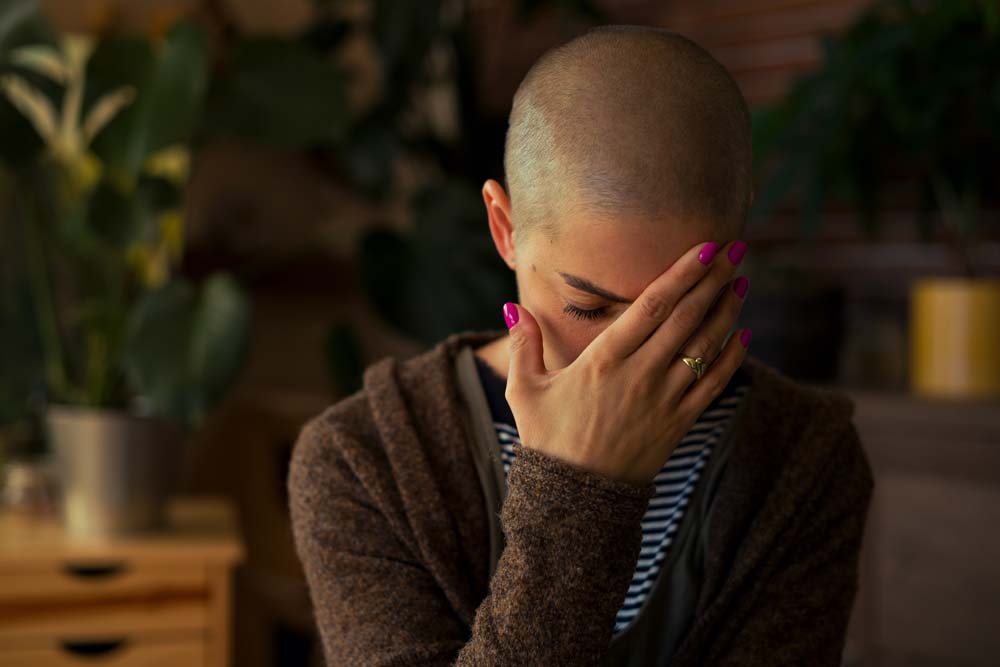 Hair loss is one of the most visible — and emotionally loaded — side effects of chemotherapy. Most patients will lose some or all of their hair, depending on the specific drugs used.
The hair does grow back after treatment ends. There may be a temporary change in color or texture, but regrowth happens.
Some treatment centers offer cold caps, which may reduce hair loss by cooling the scalp during infusion. HairToStay offers need-based grants to help cover the cost of scalp cooling, which insurance often won’t.
If you’d prefer a wig, know this first: medically, a wig is classified as a cranial prosthesis, and some insurance plans and state mandates cover it under that term. Ask your oncology social worker to help you file the claim. For free options, EBeauty Community runs a national wig exchange that ships refurbished wigs at no cost.
However you choose to handle it, know there’s no right or wrong approach. Some patients cut their hair short before it starts falling out. Others let it go naturally. It’s your choice.
5. Digestive Changes: Diarrhea and Constipation
Bowel changes are extremely common and often underreported because patients feel embarrassed to bring them up. Don’t be. Your care team needs to know.
Chemotherapy, pain medications, and anti-nausea drugs can each contribute to constipation or diarrhea. Because ovarian cancer often grows on the outside of the bowel, this can compound digestive issues further.
For diarrhea:
- Drink plenty of water and electrolyte drinks.
- Avoid sweetened foods and alcohol.
- Choose high-fiber foods like whole grains, fruits, and vegetables.
- Talk to your doctor about anti-diarrheal medications if needed.
For constipation:
- Stay hydrated and keep moving with light activity.
- Ask about high-fiber foods or laxative options.
- Daily stool softeners are sometimes recommended for ongoing use.
6. “Chemo Brain” (Cognitive Changes)
Forgetfulness, difficulty concentrating, and trouble finding the right words: these are all part of what’s commonly called “chemo brain.”
It can be frustrating, especially for patients who are used to being sharp and on top of things.
According to research, about 75% of patients experience cognitive impairment during treatment, and 35% report persistent symptoms months or years after treatment.
Practical strategies can help:
- Minimize distractions during important tasks.
- Use a daily journal or organizer to track appointments and to-dos.
- Set reminders on your phone for medications and schedules.
- Most of all, be patient with yourself. This is a real, recognized neurological effect, not a personal failing.
7. Increased Infection Risk
Chemotherapy reduces white blood cell levels, which weakens your immune system. This means everyday illnesses can hit harder and last longer. Cuts and scratches may get infected more easily.
Contact your doctor immediately — or go to the nearest emergency room — if you experience:
- A temperature of 38°C (100.4°F) or above
- Chills or shivering
- A burning sensation when urinating
- Severe cough, sore throat, or abdominal pain
- Any sudden decline in your health
To reduce infection risk, wash your hands frequently, avoid crowded places when possible, keep skin moisturized to prevent cracking, and avoid contact with anyone who is visibly unwell.
8. Appetite Loss and Taste Changes
Ovarian cancer treatment can alter the way food tastes, making things seem salty, bitter, or metallic. This usually normalizes after treatment ends, but it can make eating difficult in the meantime.
A few strategies that often help:
- Switch to plastic utensils, which reduce the metallic taste effect.
- Avoid canned foods during treatment.
- Eat small meals throughout the day rather than forcing three large ones.
- Keep high-calorie, high-protein snacks on hand — hard-boiled eggs, nuts, peanut butter, cheese.
- A referral to an oncology nutritionist can make a real difference; ask your doctor for one.
This ties into something patients undergoing chemotherapy often don’t hear enough: maintaining your weight during treatment is genuinely important for your body’s ability to recover.
9. Surgical Menopause
For patients who have both ovaries removed — a procedure called bilateral oophorectomy — surgical menopause begins immediately.
This is different from natural menopause and often more intense, because the hormonal shift happens suddenly rather than gradually.
Symptoms can include hot flashes and night sweats, vaginal dryness, mood changes, bone density loss, and changes in libido and cardiovascular health.
Oophorectomy surgery is sometimes unavoidable as part of ovarian cancer treatment, but that doesn’t mean you have to suffer through the effects silently. Hormone therapy (only if recommended; please talk to your doctor first), vaginal estrogen, and other medications can significantly reduce symptoms. Talk to your doctor about what’s appropriate given your specific diagnosis and treatment plan.
10. Sexual Health and Intimacy Challenges
This is one of the most common but least discussed side effects of ovarian cancer treatment. Surgery can alter vaginal anatomy. Hormonal changes reduce natural lubrication. Chemotherapy and emotional stress can reduce libido.
It’s a lot to navigate.
If you’ve had an oophorectomy, you may notice that intercourse becomes more difficult or painful due to vaginal dryness and changes in tissue. Water-based lubricants can help. Pelvic floor therapy — which many patients don’t know is an option — is another resource worth exploring and can help ovarian cancer survivors regain comfort and confidence.
Rebuilding intimacy after a cancer diagnosis takes time. If it’s affecting your relationship or quality of life, ask for a referral to a sexual health specialist. This is a recognized medical issue and not something you have to push through alone.
11. Emotional and Psychological Effects: Stress, Anxiety, and Depression
 An ovarian cancer diagnosis doesn’t just affect the body. The emotional weight of treatment — the uncertainty, the physical changes, the disruption to daily life — can cause real psychological distress.
The American Cancer Society estimates that 1 in 4 cancer patients may experience clinical depression. Feelings of grief, fear, and anxiety are not signs of weakness. They’re normal responses to an abnormal situation.
Coping with ovarian cancer treatment side effects emotionally is just as important as managing the physical ones. Options include talk therapy or counseling, support groups, prescription medication when appropriate, and mindfulness or stress reduction practices.
Learn more about ovarian cancer support groups and how connecting with others who’ve been through the same journey can make a real difference.
If you’re experiencing thoughts of self-harm, please call or text the 988 Suicide & Crisis Lifeline.
12. Bone Health: Osteoporosis
Surgical menopause, chemotherapy, and hormone therapy can all contribute to bone density loss over time, increasing the risk of fractures. This is a longer-term concern, but one worth discussing with your doctor early.
Calcium and vitamin D supplementation, weight-bearing exercise, and in some cases medication can help protect bone health during and after treatment.
Read more about the connection between menopause and osteoporosis and what you can do to protect yourself.
13. Fear of Recurrence
This one isn’t a physical side effect, but it’s one of the most persistent challenges patients describe after completing treatment.
The transition from active treatment to survivorship can feel disorienting. For some, the end of chemo brings relief; for others, it brings anxiety, because treatment was at least doing something.
Ovarian cancer does have a high recurrence rate. That’s a real and difficult truth. But living in fear of it doesn’t improve outcomes, and it takes a significant toll on quality of life.
Strategies that help include working with a psychologist or counselor who specializes in cancer-related anxiety, staying connected to your care team and attending all follow-up appointments, engaging with a support community, and focusing on what’s within your control: things like nutrition, movement, sleep, connection.
Read more: “Ovarian Cancer Recurrence: What You Need to Know When Cancer Returns”
Every Treatment Journey Looks Different
No two patients experience treatment the same way. Some people sail through chemotherapy and treatment with relatively minor disruptions. Others face a harder road. Both are valid. Both deserve support.
The most important thing you can do is communicate with your care team, early and honestly. Most side effects can be managed, and many can be significantly reduced when caught early. You don’t have to white-knuckle your way through treatment.